Airspace intelligence
Detect what
other radars
miss.
Millimeter-wave radar engineered to detect, track, and classify the small drones other systems miss: from $50 quadcopters to autonomous swarms.
Programmes
& backers
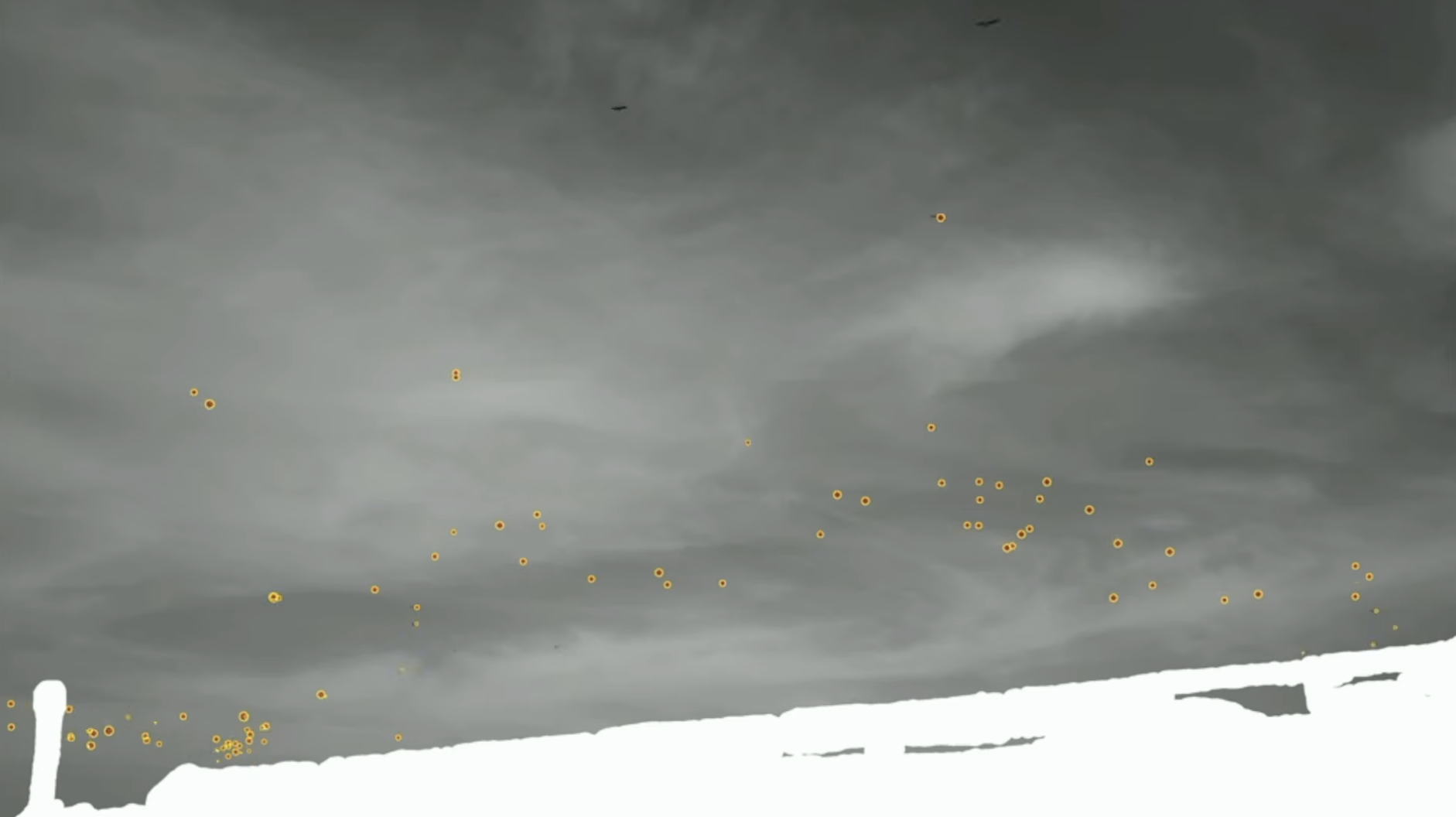
Live detection
Drones, birds, and clutter — separated in real time
The technology
Know what's in your airspace.
Most counter-UAS systems were built for the threats of a decade ago. We rebuilt the stack from first principles — sensors, fusion, and classification — for the small, low-signature drones now showing up at airports, substations, and forward bases.

DroneTector
A sensor stack purpose-built for small UAS.
Deployed standalone at a single site or networked across a distributed perimeter. Scalable from a single tower to a multi-site detection grid, with onboard compute for low-latency detection in real-world environments.
- Sensors
- MM-Wave · Camera · Acoustic
- Targets
- Micro UAS and greater
- Deployment
- Standalone or mesh
- Operating
- All-weather · 24/7
Where Milliray deploys
- Airports01
Stop the next Gatwick.
A single small drone can close runways and cost airlines millions. Conventional radar wasn't designed to see them.
- Coverage
- Perimeter + approach path
- Integration
- Existing tower systems
- Tuned for
- False-positive-sensitive ops
- Critical Infrastructure02
Protect the grid, plant, and pipeline.
Substations, refineries, water treatment, and data centers are the highest-value soft targets in the country. Drone intrusions are routine.
- Modality
- All-weather, low-altitude
- Topology
- Distributed mesh
- Hardware
- Tamper-resistant edge
- Defense03
Field-grade radar for forward sites.
Front-line teams need cost-aligned detection for the new asymmetric threat: $50 quadcopters and improvised weaponized UAS.
- Form factor
- Rapid-deploy, vehicle-mount
- RF profile
- Cluttered environments
- Credentials
- NATO DIANA + UKDI-DASA

Chief Executive Officer
Dr Matthew Moore
- PhD
- St Andrews
- Field
- MM-Wave radar, RF
- Fellow
- Royal Acad. of Eng.

Chief Technology Officer
Dr Thomas Doherty
- DPhil
- Oxford
- Field
- Optical & laser tech
- Fellow
- Royal Acad. of Eng.

Chief Operating Officer
Dr Jordina Frances de Mas
- PhD
- St Andrews
- Field
- ML, automated reasoning
- Focus
- Algorithmic optimization
Talk to the team
Responsible for countering drone threats?
We work with airports, critical infrastructure, defense operators, venues, and VIP protection teams. Send a note — we'll get back the same week.